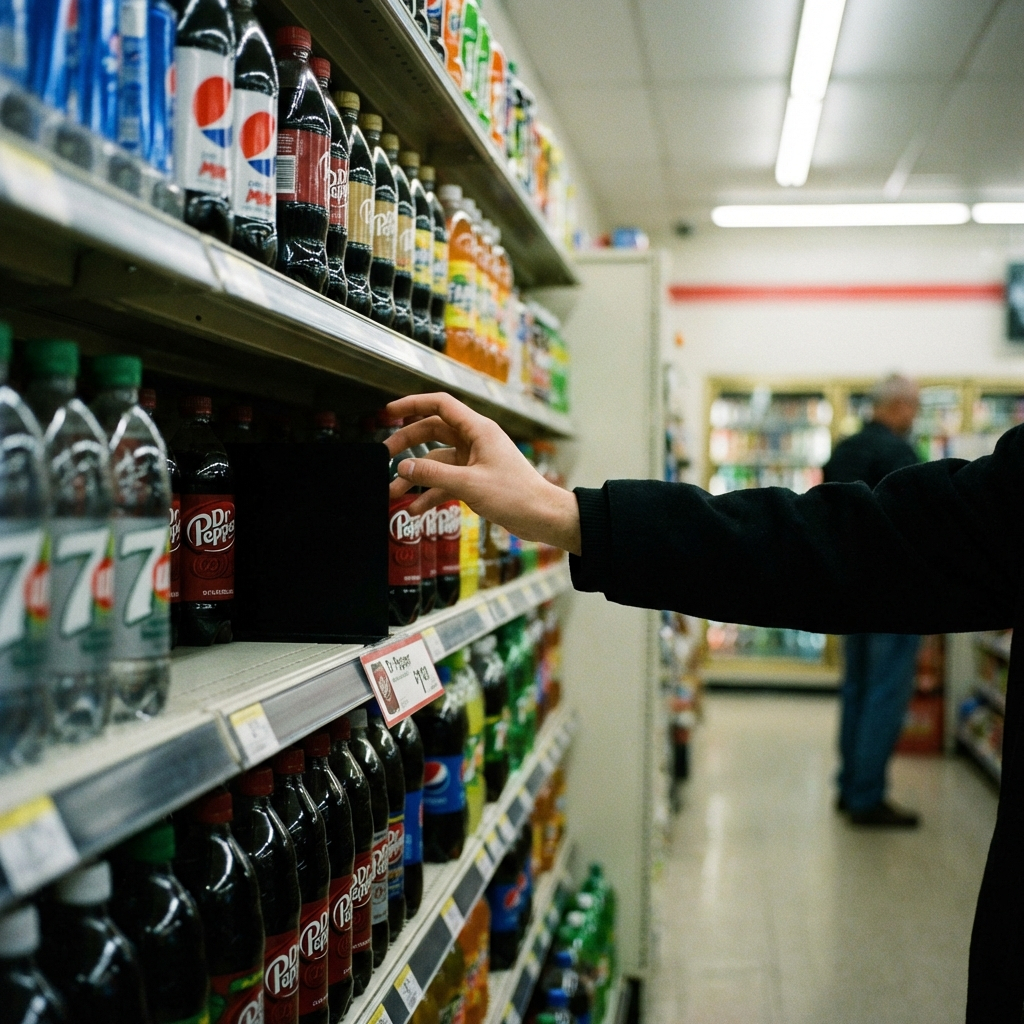
I heard a story last week that stuck with me.
A friend went to three different 7-Elevens looking for Dr. Pepper. He needed his daily fix. First store, no Dr. Pepper. Second store, same thing. Third store, finally found it.
He laughed about his "addiction" driving him across town.
I saw something different.
What a Missing Soda Reveals About Business
That three-store journey tells you everything about how businesses lose money without realizing it.
My friend's search represents a pattern playing out millions of times daily across every industry. Retailers worldwide lose $984 billion annually because products aren't on shelves when customers want them. North America alone accounts for $144.9 billion of those missed sales.
Think about that number.
Nearly a trillion dollars evaporates because someone wanted to buy something and couldn't find it.
The Real Cost of "Out of Stock"
The stockout problem goes deeper than lost sales.
40% of customers who experience a stockout complete their entire purchase elsewhere. They don't just skip the missing item. They take everything to a competitor.
Even worse, 9% of customers permanently switch retailers after a single stockout experience.
My friend visited three stores. He stayed loyal to 7-Eleven despite the frustration. But how many customers gave up after the first empty shelf?
Customer Effort Predicts Everything
Here's what most businesses miss.
Customer satisfaction matters less than customer effort.
Research from Gartner shows that 94% of customers with low-effort interactions intend to repurchase. Only 4% of those experiencing high effort do the same.
The gap widens on the loyalty side. 96% of customers with high-effort experiences become more disloyal compared to just 9% who have low-effort experiences.
My friend's three-store journey represents exactly the kind of high-effort experience that drives customers away. He stayed loyal this time. Most people wouldn't.
Brand Loyalty Lives in the Details
The Dr. Pepper detail matters.
He didn't want just any soda. He wanted that specific brand. Research shows that consumers prefer substitutes from the same brand when stockouts are unexpected. The negative feelings from an unexpected stockout push people toward alternatives that provide emotional comfort.
Brand preferences explain 40 percent of geographic variation in market shares. These preferences form early and persist over time.
But here's the twist.
Consumers routinely fail to identify their preferred brands in blind taste tests. Brand loyalty stems from experience and habit more than product superiority.
That means every stockout chips away at the habit loop keeping customers coming back.
The Hidden Costs Keep Adding Up
Stockouts create costs beyond the immediate lost sale.
Brand and customer loyalty costs typically amount to nearly 5% of revenue for stockout product lines. When you factor in that 43% of customers leave a company after just one bad experience, the long-term damage becomes clear.
The math gets interesting when you look at retention.
Increasing customer retention rates by just 5% can boost profits by 25% to 95%. Every customer who walks out empty-handed represents not just one lost sale but potentially years of future purchases.
What This Means for Your Business
You don't need to run a convenience store for this to matter.
The same principles apply whether you're managing inventory, delivering services, or building software.
Availability drives loyalty. When customers need something and you don't have it, they remember. The effort required to find alternatives shapes their future behavior more than any marketing campaign.
Small friction compounds. One stockout seems minor. But it breaks the habit loop. It introduces doubt. It opens the door for competitors.
Observation reveals opportunity. My friend's story about hunting for Dr. Pepper contains insights worth millions. How many similar patterns exist in your business that you're not seeing?
The Questions Worth Asking
Start paying attention to customer effort in your business.
How many steps does someone take to get what they need from you? Where do they hit friction? What makes them work harder than they should?
Track the moments when you can't deliver what customers expect. Don't just count lost sales. Measure the downstream effects on loyalty and retention.
Look at your supply chain and inventory management. Are you using real-time data to predict demand? Do you have visibility into potential stockouts before they happen?
The businesses that win pay attention to these details.
From Observation to Action
The best business insights often come from everyday experiences.
A friend searching for soda reveals patterns about customer behavior, brand loyalty, and operational efficiency. The key is recognizing these patterns and understanding what they mean.
Every customer interaction tells a story about your business. The question is whether you're listening.
My friend found his Dr. Pepper on the third try. He stayed loyal despite the effort. But the data shows most customers won't. They'll find an easier option and never come back.
That's the $984 billion lesson.
The small operational details you overlook today become the competitive advantages your rivals exploit tomorrow. Customer effort matters more than you think. And the businesses that reduce friction win.
Pay attention to the stories around you. They contain insights worth far more than any consultant report.


No comments:
Post a Comment